Disability, illness
& working life
Disclosure, credibility and participation when illness is invisible, capacity fluctuates, or workplaces assume uninterrupted performance.
PROF ARMAND BAM
My work examines how inclusion is experienced, how leadership responds, and how institutions can create conditions for participation and social change.
STELLENBOSCH BUSINESS SCHOOL · SOUTH AFRICA
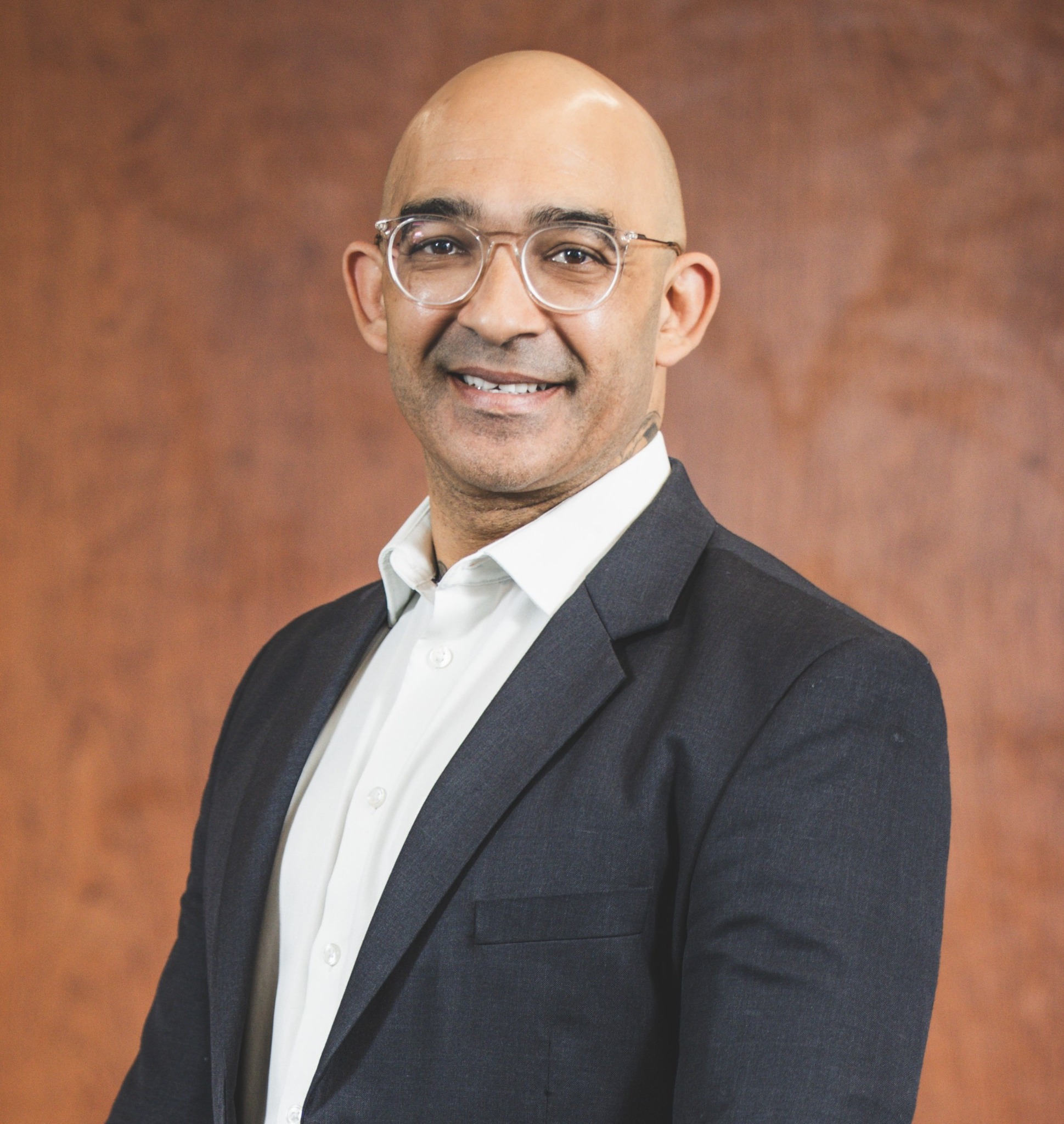
Inclusion. Leadership.
Social change.
ASSOCIATE PROFESSOR
Stellenbosch Business School
HEAD OF SOCIAL IMPACT
Research, business & community
ACADEMIC HEAD
Small Business Academy
2024 INDIVIDUAL AWARD
SU Social Impact Award
01 / RESEARCH & SCHOLARSHIP
Research into the relationships, structures
and everyday decisions that shape
participation and belonging.
Disclosure, credibility and participation when illness is invisible, capacity fluctuates, or workplaces assume uninterrupted performance.
The experiences of women entrepreneurs and the conditions that make support, participation and opportunity meaningful.
How leaders navigate power, responsibility and competing demands, and how institutions connect their commitments with practice.
How structural conditions, relational support and adaptive agency shape sustained participation at work.
A power-conscious perspective on cultural legitimacy, trust and organisational inclusion.
Fatigue, mental health and the workplace structures that shape experiences of invisible disability.
How women with lupus navigate credibility, disclosure and the relational demands of working life.
Diagnosis, identity and workplace adaptation through women’s accounts of episodic illness.
Workplace adaptability, disclosure and support through a sensemaking and social model of disability lens.
Showing 6 selected publications.
View the full publication recordIDEAS FROM THE RESEARCH
Accessible introductions to frameworks
developed through research on
women, work and invisible illness.
When health and energy fluctuate, maintaining a sense of professional identity, credibility and belonging can require continuous adjustment. Contingent coherence describes that work of holding things together through calibration.
The framework examines four persistent tensions: disclosure and protection; credibility and capacity; aspiration and sustainability; and policy and practice.
Read the framework in its published contextInclusion takes shape through relationships as well as policies. The Relational Framework of Inclusion identifies trust, responsiveness and ethical proximity as enabling conditions for support.
It asks whether people can trust those around them, whether support responds to changing needs, and whether others remain close enough to recognise and act on those needs.
Read the published frameworkWomen living with lupus move between medical ambiguity, identity negotiation and workplace adaptation. These experiences overlap and recur as health, diagnosis and organisational circumstances change.
The continuum helps explain why support needs to account for uncertainty and fluctuation across working life.
Read the published framework02 / PUBLIC VOICE
Writing on leadership, belonging
and our responsibilities to one another.
Selected perspectives and commentary.
The possibilities of sustained relationships between business, universities and communities.
Read perspectiveReflecting on institutional change and the everyday experience of belonging.
Read perspectiveBringing women’s experiences of illness, work and visibility into public conversation.
Read perspective03 / TEACHING & SPEAKING
Learning through critical reflection,
lived experience and engagement
with the world beyond the classroom.
IN THE CLASSROOM
My teaching connects leadership and organisational decisions with their effects on people and communities. It creates space to examine assumptions about power, responsibility and inclusion.
IN THE CONVERSATION
Keynotes, panel contributions and facilitated conversations that bring scholarship into leadership practice and public debate.
04 / ABOUT ARMAND
I’m Prof Armand Bam, an Associate Professor and Head of Social Impact at Stellenbosch Business School.
I also serve as Academic Head of the Small Business Academy. My work brings research, teaching and community engagement into conversation, with a focus on inclusion and the everyday conditions that enable participation.
My research draws on perspectives including the social model of disability, feminist disability studies, paradox theory and an ethic of care. Across these perspectives, I am interested in whose experiences institutions recognise and how responsibility is shared.
Before entering my current academic role, I worked in nonprofit leadership, including as Executive Director of the League of Friends of the Blind. I hold a PhD in Business Administration and an MPhil in Disability Studies from the University of Cape Town.
In 2024, I received Stellenbosch University’s Individual Social Impact Award.
I am developing Purpose and Legacy, a philanthropy advisory business for entrepreneurs and families seeking a thoughtful approach to giving.
Explore Purpose and Legacy05 / CONNECT
For research collaboration, academic engagement, media enquiries or speaking invitations, share a little about what you have in mind.
info@armandbam.co.za+27 71 633 0699Cape Town, South Africa